

Every film speaks a hidden language; one you do not consciously process, yet undeniably feel. Whilst listening to the dialogue and watching the emotions unfolding on an actor's face, a parallel narrative is subtly at play in the background. In The Brave One (2007), Jodie Foster delivers a masterclass in psychological transformation. She plays Erica Bain, a New York radio host whose life is shattered in a single catastrophic night. Her performance is powerfully reinforced by the film's visual direction. Director Neil Jordan and his production team treat colour, set design and lighting not as mere decoration, but as vital narrative tools. They guide the audience through a meticulously crafted visual evolution: from warmth and security to severe trauma and ultimately from utter collapse to a cold, redefined identity.
The warm glow of a secure existence
To grasp the true weight of loss, one must first appreciate what has been lost. The opening act of The Brave One establishes a world of profound emotional safety.
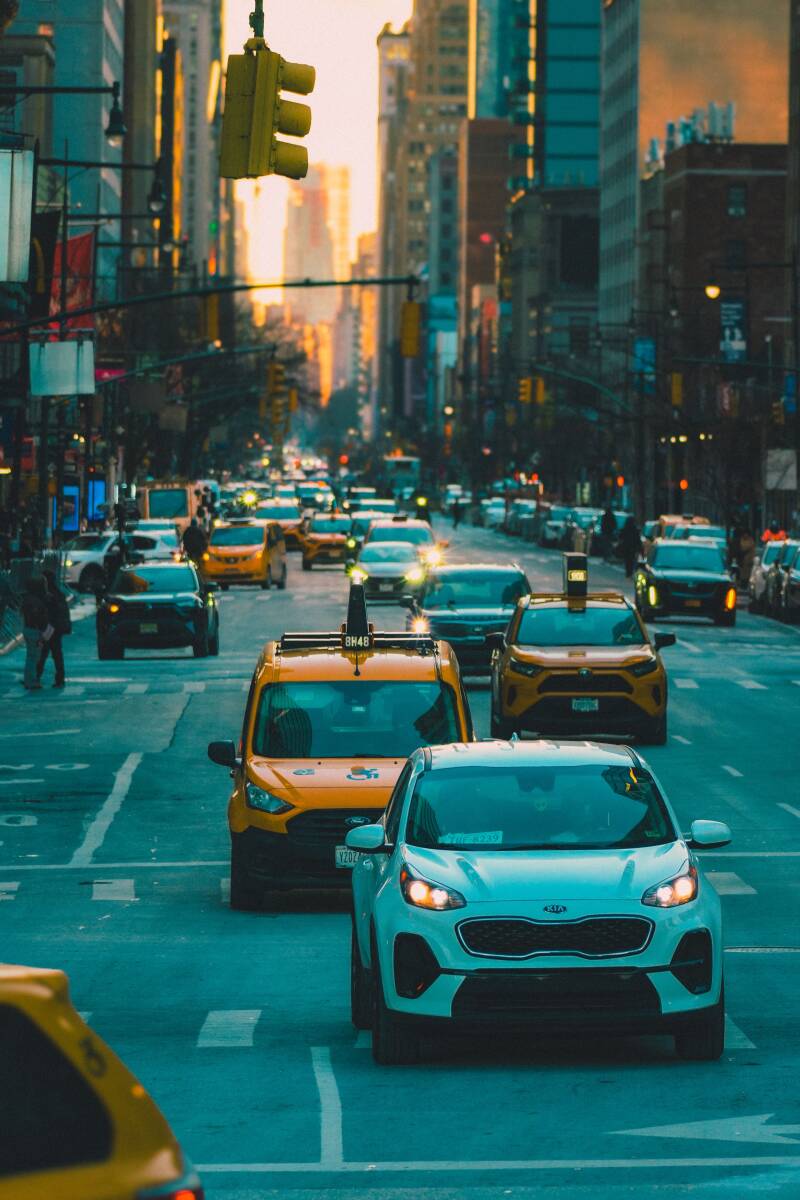
As a radio host, Erica Bain wanders through New York capturing the sounds of the city with poetic affection. This phase of her life is defined by a warm, organic colour palette. Deep honey tones, soft golden light and rich amber hues dominate the screen.
Her apartment is designed as a physical extension of her mind: a welcoming, timber-lined sanctuary filled with books, soft textures and gentle ambient light. Here, sound and illumination merge seamlessly. In this initial stage, New York appears not as a threat, but as a living, breathing organism in which Erica and her fiancé are securely anchored. The environment conveys a distinctly human warmth that puts the audience at ease.
The frigid rupture: trauma reshapes space
When Erica and her fiancé fall victim to a brutal assault in Central Park, the visual motif shatters instantly. The inviting gold yields to a relentless, uncompromising aesthetic.
The moment Erica wakes from her coma, all visual warmth has vanished. The colour spectrum shifts abruptly to slate grey, muted blue tones and the cold, wet black of raw asphalt. This is no accidental stylistic break; it is a direct reflection of her post-traumatic reality.
The camerawork and set arrangement no longer present New York as a familiar sanctuary. Instead, the architecture transforms into a towering, indifferent maze of concrete and steel. Even her once-cosy apartment undergoes a chilling metamorphosis. Furniture and spaces appear further apart, ambient light becomes stark and clinical and the previously comforting silence now feels sterile and suffocating. Her surroundings echo her internal void: Erica has become a stranger in her own existence.
The geometry of the avenger: shadow and steel
When Erica decides to buy an illegal firearm to confront her fear, the visual design moves into its final, darkest form. Her transition from victim to vigilante takes on a sharp, geometric identity.
The film introduces harsh, high-contrast low-key lighting. Shadows fall like razor-sharp lines across her face and the spaces she inhabits. This visual motif literally cuts her face in two: one bright half recalling the person she used to be and a deeply shadowed side representing the ruthless avenger she is becoming.
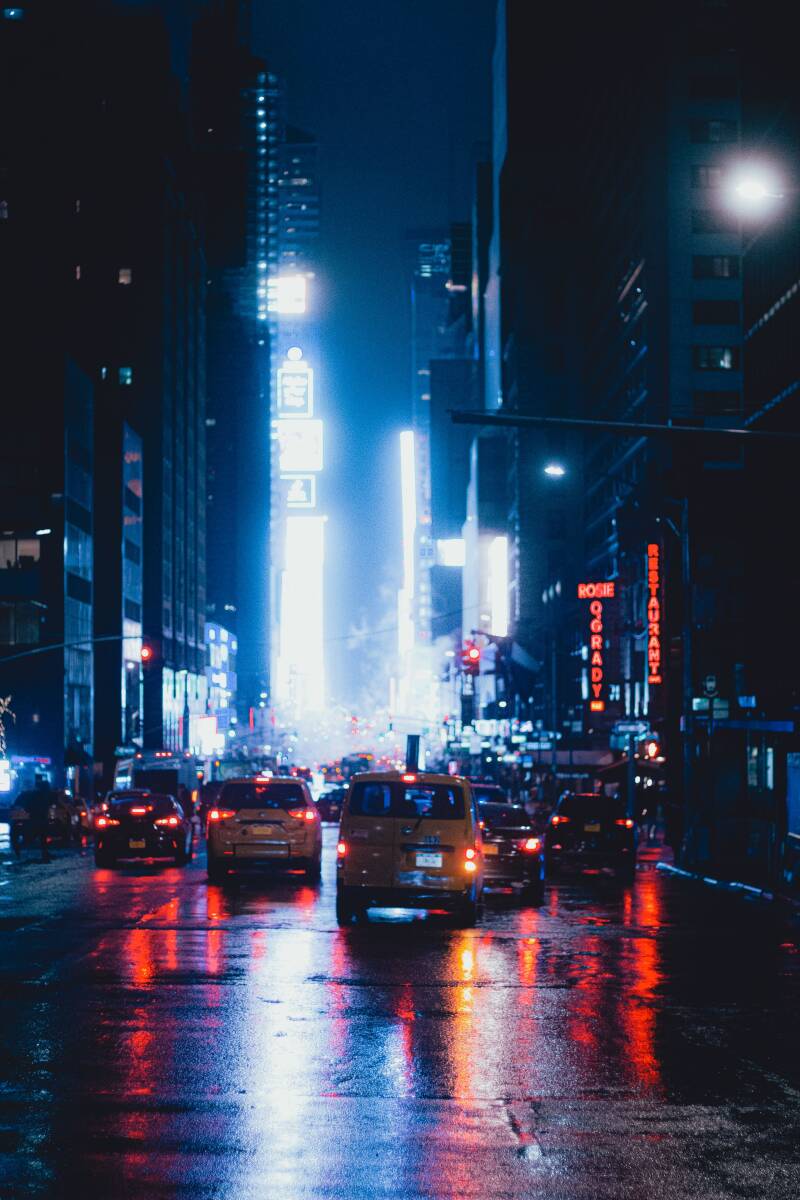
Gradually, the physical locations where Erica operates grow starker and more angular. Underground station platforms, grim alleyways, and neon-lit late-night shops are stripped of all human warmth. They are dominated by gleaming metal, wet reflections and a clinical blue-green light. Erica merges into these harsh urban textures. Her wardrobe evolves in tandem: shifting from soft, natural-toned woollens to a sleek, dark leather jacket that functions as a visual suit of armour.
The power of visual dramaturgy
Traditional film analysis often focuses primarily on spoken dialogue and character actions. Yet The Brave One demonstrates that the most profound emotional impact frequently occurs beyond the spoken word.
Neil Jordan illustrates how set design and colour choices are fundamental to shaping a story's psychological depth. It is this integration of colour, material and lighting that elevates Erica Bain's dark transformation from a conventional revenge narrative into a haunting study of a human psyche fracturing and rebuilding itself.
Upon rewatching The Brave One, do not merely listen to what Jodie Foster says. Notice the shadows cast across her face, the temperature of the light against the walls and the texture of the space surrounding her. It is precisely there that the unspoken story resides.