

a literary analysis of roald dahl’s masterpiece
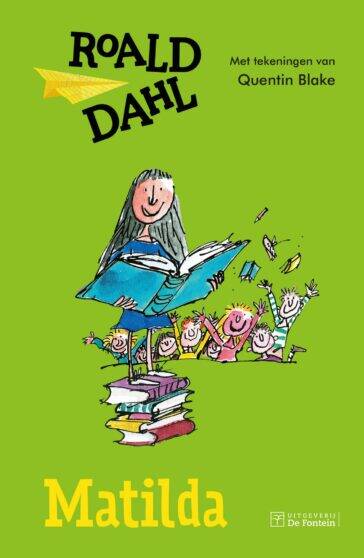
Title: Matilda
Author: Roald Dahl
Illustrator: Quentin Blake
Pages: 206
Publication: 1988
Dutch publisher: De Fontein
Genre: children's literature, fantasy, satire
Synopsis
Matilda Wormwood is a child of extraordinary intellect and sensitivity. By the age of eighteen months, she possessed the conversational fluency of an adult; by three, she had taught herself to read; and before turning five, she was absorbed in classical works of world literature. Despite these remarkable gifts, her parents treat her with utter disdain, regarding her as a nuisance and anticipating the day they can rid themselves of her presence. Refusing to succumb to their cruel indifference, Matilda decides to take action. She devises ingenious pranks to punish her parents for their injustice. However, when she enters primary school and encounters a tyrannical headmistress, Matilda discovers an extraordinary telekinetic ability that enables her to challenge adult cruelty on a far grander scale.
Key characters
- Mr and Mrs Wormwood: Matilda's parents, whose utter lack of interest in their daughter manifests as severe emotional neglect.
- Mrs Phelps: The local librarian who nurtures Matilda's early intellectual development by recommending seminal literary works.
- Miss Jennifer Honey: Matilda's compassionate class teacher, who offers the child empathy, understanding and a safe refuge.
- Miss Agatha Trunchbull: The tyrannical, despotic headmistress whose cruelty prompts Matilda to discover the full extent of her powers.
Key themes
- The triumph of intellect and empathy: The core narrative charts how intellect, emotional resilience and moral integrity prevail over brute physical force and systemic corruption in a dysfunctional adult environment.
- Child powerlessness and vulnerability: The story explores the plight of children who must navigate and survive within an unfeeling, adult-dominated world.
- Literature vs. television: Reading represents intellectual escape, critical thinking and moral development, whereas television symbolises passive consumption and mental vacuity.
Narrative structure and setting
The story follows a linear chronological progression. The opening chapters employ narrative acceleration, rapidly traversing Matilda's infancy and toddlerhood, to establish her exceptional gifts before focusing on the primary narrative arc. The settings closely mirror the internal lives and psychological states of the characters. The Wormwood household characterised by the constant, blaring presence of the television, representing superficiality and domestic unrest. The public library, quiet sanctuary filled with books, representing knowledge, solace and personal growth. Miss Honey's cottage, modest, isolated dwelling nestled in nature, signifying serenity, safety and emotional warmth. Crunchem Hall Primary School, a dystopian, prison-like institution designed to enforce authoritarian control and tyranny.
Narrative perspective
The novel is recounted by an omniscient narrator who visibly sides with the child protagonist and occasionally addresses the reader directly. This device creates a light-hearted, satirical distance from the grim reality of child mistreatment, ensuring the narrative remains witty and palatable rather than purely tragic.
About the author
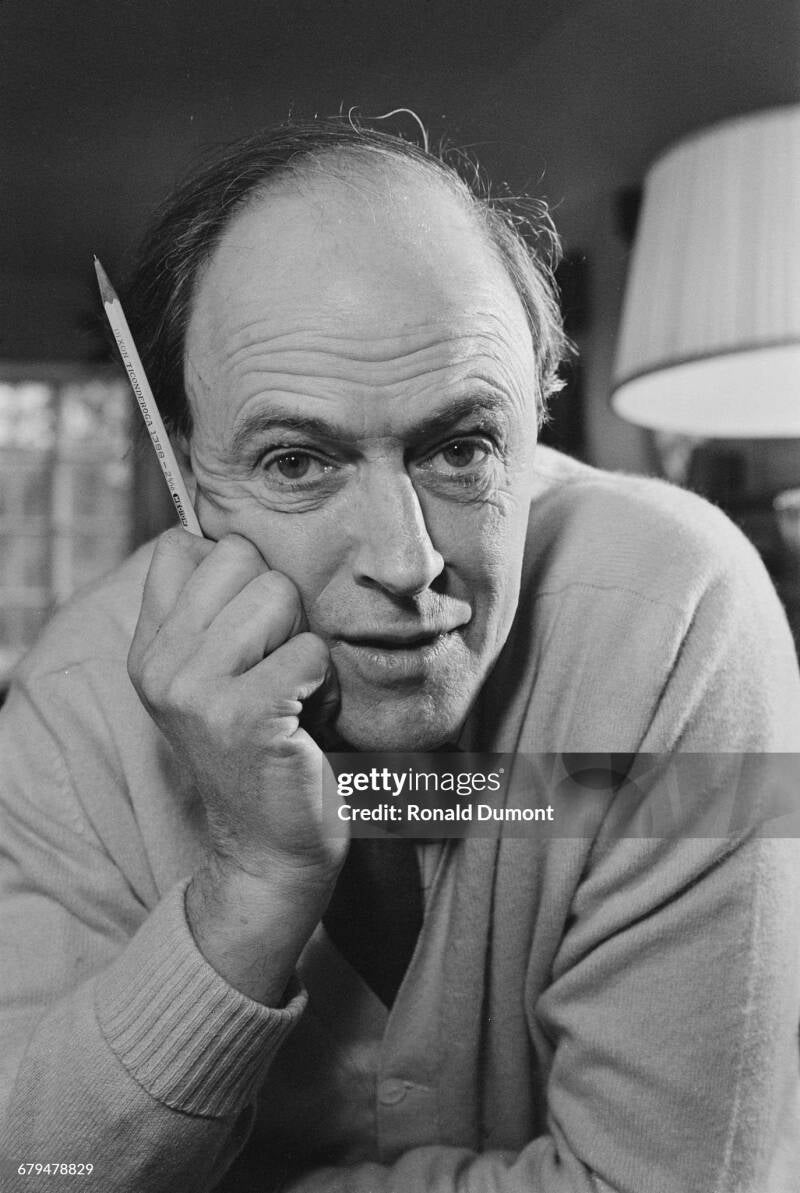
Roald Dahl was born in Wales on 13 September 1916 to Norwegian parents. His early life was marked by tragedy; at just three years old, he lost both his elder sister and his father in rapid succession. Despite these hardships, young Roald was renowned for his mischievous spirit, famously placing a dead mouse into a sweet jar to prank an unpleasant local shopkeeper at the age of nine.
During his years at a strict boarding school, Dahl frequently suffered corporal punishment. These unpleasant encounters with harsh authority figures later provided the inspiration for the menacing adults in his fiction, such as the tyrannical headmistress in Matilda. However, his school days also held brighter moments: pupils were occasionally invited to evaluate new chocolate creations for the Cadbury company, an experience that sowed the seeds for Charlie and the Chocolate Factory.
Seeking adventure, Dahl joined the Shell Oil Company in Africa after finishing his education. During the Second World War, he served as a fighter pilot, surviving a severe crash in the desert. He later joked that the traumatic blow to his head had unlocked his creative imagination.
Dahl's domestic life was similarly touched by adversity: his young son suffered severe injuries in an accident, his eldest daughter died in childhood and his wife had an a debilitating stroke. Demonstrating immense devotion, Dahl collaborated with medical experts to invent specialised devices to aid recovery. When his wife struggled with speech post-stroke and coined invented words, Dahl drew upon the experience to shape the distinct vocabulary of The BFG.
In his later years, afflicted by chronic physical pain, Dahl wrote his stories in a custom armchair inside a secluded garden hut. In this quiet refuge, he immersed himself in his imagination, bringing to life enduring characters such as the brilliant Matilda.
Literary value and genre hybridity
The enduring quality of Matilda lies in its sophisticated blending of three distinct literary traditions: the modern fairy tale, satire and the picaresque novel. The synthesis of these genres elevates the work beyond a simple story for children.
- The modern fairy tale (hope and magic in a contemporary setting)
The novel retains the structural framework of a classic fairy tale while modernising its conventions. Matilda fulfils the Cinderella archetype; an unappreciated child living with hostile surrogate guardians (her biological parents, who behave like wicked step-parents). Miss Trunchbull assumes the role of the traditional witch or ogre, while Miss Honey acts as the fairy godmother. Matilda's telekinesis serves as the magical element; however, rather than stemming from external incantations, her magic is an expression of her own suppressed intelligence, unfolded within a recognisable suburban English setting. - Satire (a mirror held to adult society)
Dahl employs exaggeration to expose adult shortcomings and social failings. Mr and Mrs Wormwood personify the vacuity of modern consumer culture, prioritising television over literature and wealth over character. Furthermore, Miss Trunchbull serves as a satirical critique of rigid, authoritarian educational regimes. While her punishments are intentionally absurd, they highlight the perils of unchecked authority, offering adult readers a thoughtful reflection on parenting and institutional power. - The picaresque tradition (the resourceful rogue)
Elements of the picaresque novel are evident in Matilda's characterisation. Traditionally centred on a rogue surviving by their wits in a corrupt society, Matilda adapts this framework for a younger protagonist. Growing up in an unsupportive environment, Matilda uses her cunning to overcome oppression through a series of episodic encounters. Her retaliations are not born of malice, but of a desire to restore moral balance and secure her independence.
Why I reread this book
For me, the true literary value of Matilda lies in its blend of genres. The modern fairy tale provides warmth, magic, and a hopeful moral tone, while the satire delivers humor and sharp social commentary. Meanwhile, the picaresque style ensures Matilda is never a passive victim, but an active heroine who takes charge of her own destiny. By bringing these three elements together, Roald Dahl created a timeless book; a compelling plea for the power of reading, knowledge and independent thought.
Creative writing exercise: Miss Honey's Diary
Dear Diary,
I can scarcely process the events of this afternoon. It began after class when Matilda remained behind at her desk. She was concentrating with extraordinary intensity when, suddenly, the glass of water on my desk began to move, guided purely by her gaze. I have long recognised her genius, but this defies natural explanation. She possesses a gift far greater than the world understands. I feel a profound obligation to protect this remarkable child from the harshness around her. I have invited her to tea this afternoon, hoping to offer guidance; though in truth, she has already restored my own sense of hope.
Visual narrative: Quentin Blake's illustrations
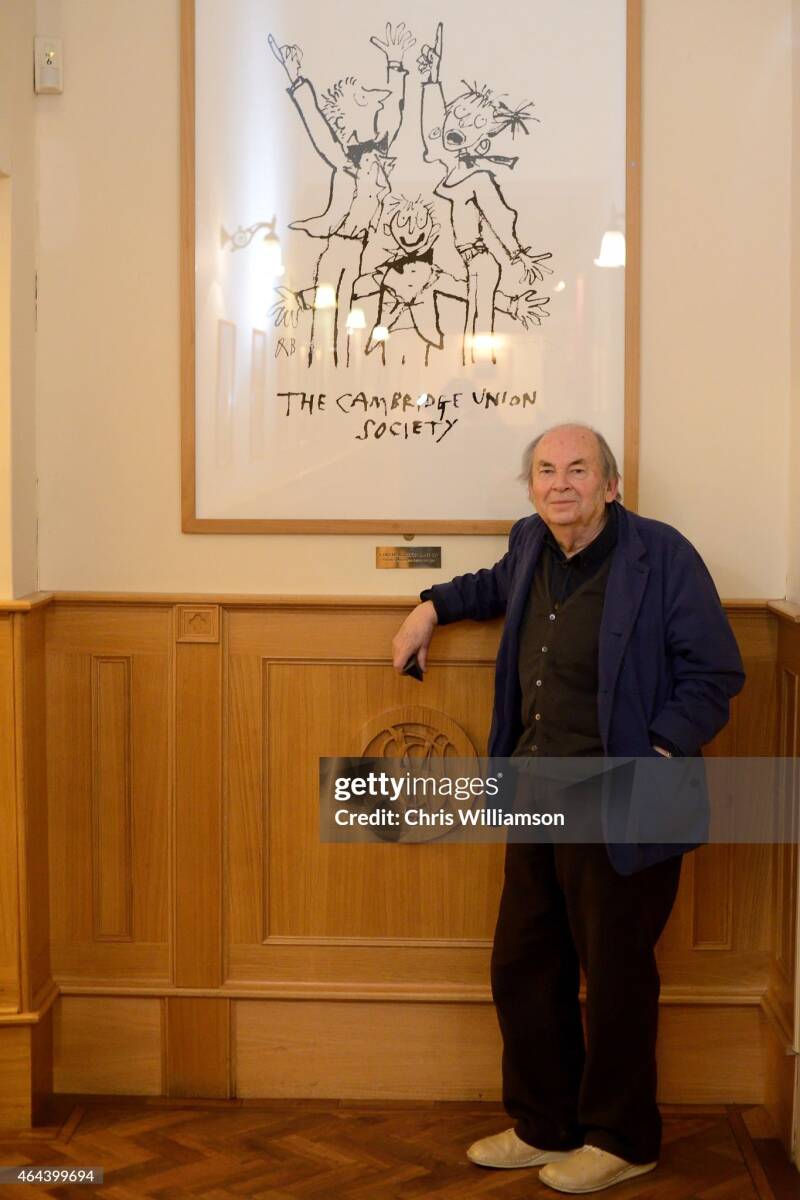
Quentin Blake functions not merely as an illustrator, but as a co-creator of the novel's satirical tone. His distinctive, scratchy and minimalist line work reinforces the exaggerated character types. Miss Trunchbull is rendered with broad, angular and imposing proportions, visualising her physical threat and reinforcing the textual satire. Conversely, Matilda is drawn with delicate, fine lines, frequently dwarfed by towering stacks of books or overbearing adults. This stark visual contrast underscores the central theme: the fragile yet resolute underdog resisting an antagonistic world.