

There are moments when two seemingly separate worlds touch and something new comes into being. Language and colour appear, at first glance, to belong to different realms, each with its own logic and mode of expression. Language is rational, structured and often fixed in meaning; colour is sensory, emotional and fluid. Yet when these two meet, a synergy emerges that deepens and enriches the human experience. It is as if an additional sense is awakened, one that transcends the boundaries of words and images and speaks to the whole being.
Language has the power to articulate thoughts and bring order to the chaos of life. But words have their limits. They cannot always fully capture the nuance of a feeling, the complexity of an experience or the depth of a thought. This is precisely where colour comes into play. Colour speaks the language of emotion and of deeper layers of our being that are not always easily expressed in words. Where language seeks precision and structure, colour allows space for freedom, movement and feeling.
Language and colour: a new dimension of expression
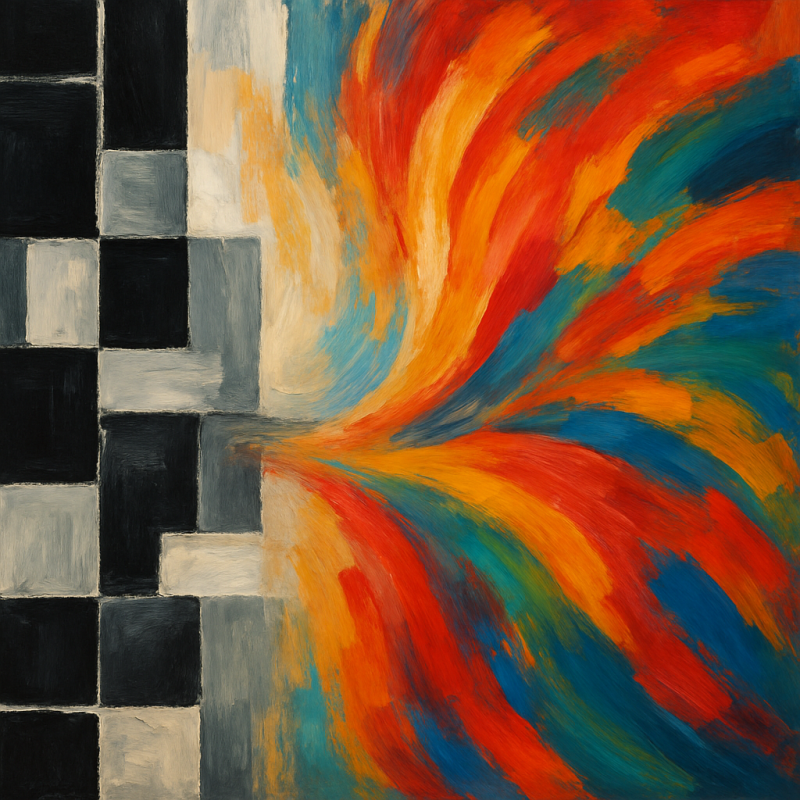
When language and colour meet, a new dimension of expression emerges, one that goes beyond the limits of our usual forms of communication. It is an interplay in which the two elements reinforce one another. Language provides direction, meaning and structure; colour adds depth, atmosphere and emotion.
Imagine writing a text in which you not only use words, but also assign colours to different parts of the story. A painful memory might appear in deep shades of blue, while an uplifting experience is rendered in warm, golden tones. The result is a form of visual poetry, enriching the text and inviting the reader not only to understand the words, but also to feel the emotion behind them.
This is not merely an artistic exercise, but a way of delving more deeply into the human experience. By combining sight and understanding, we arrive at a fuller expression of what we wish to convey. Together, language and colour create a broader spectrum of communication: one that adds richness, nuance and complexity to our expression.
For everyone who works with people
Whether you are a writer, teacher, parent or therapist, the combination of language and colour offers a powerful way to communicate and connect more deeply. For writers, it opens up the possibility not only of telling stories, but of making them felt. It helps to create narratives that engage readers both intellectually and emotionally. For therapists, it can provide a gateway to bringing unconscious feelings or blockages to the surface. Colour often reveals what remains hidden beneath words.
For parents and teachers, this combination offers a valuable way to help children express themselves on a deeper level. Children naturally possess a strong visual and emotional language; colour can help make abstract feelings such as fear or joy tangible and understandable. When these elements are combined with language, children develop not only their ability to communicate, but also their capacity for self-understanding and emotional processing.
Colour as a bridge between the rational and the intuitive
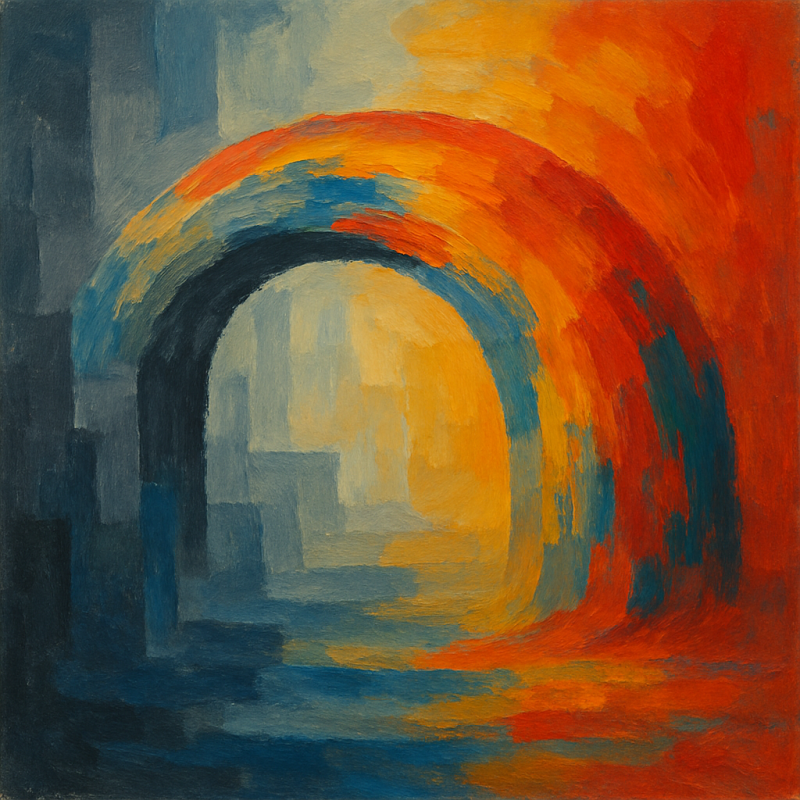
In a world that often prioritises the rational, the logical and the outcome-driven, the meeting of language and colour offers a welcome slowing down. It invites us to step out of the pace of everyday life and create space for reflection, stillness and depth. It provides a way to reconnect with intuition, emotion and subconscious desire. Colour speaks to the soul in a way that words alone cannot, allowing us to communicate with our deepest emotions while embracing a broader palette of expression.
For those working in creative fields (artists, designers or therapists) the integration of language and colour enriches their work. It offers not only a new medium of expression, but also a deeper level of connection with others. Colour is no longer used merely for aesthetic enhancement, but as a conscious choice that clarifies and deepens the message being conveyed.
The magic of the meeting
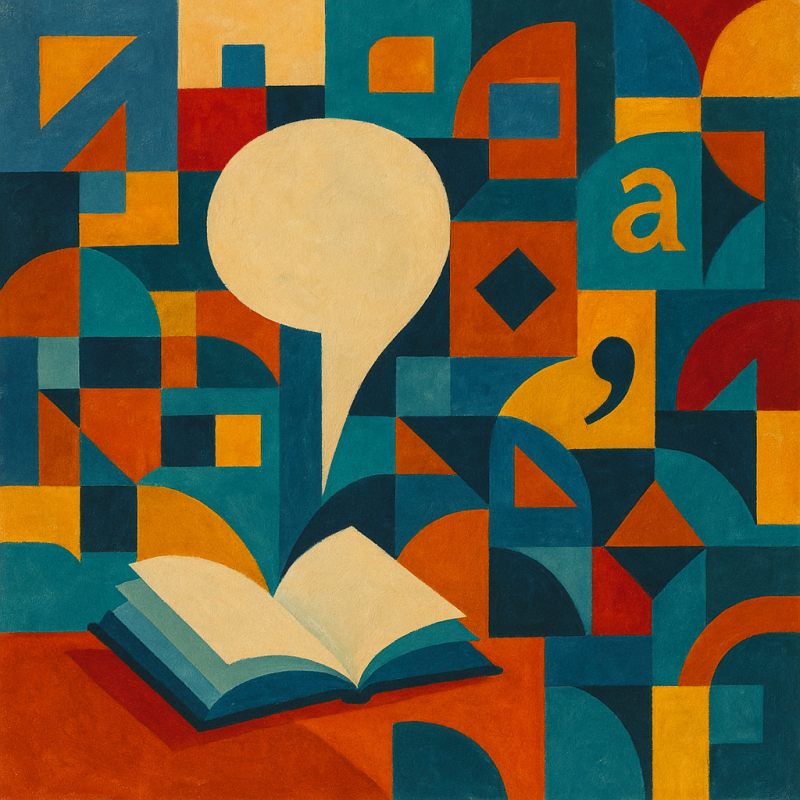
The meeting of language and colour opens the door to a richer, more layered form of expression. It makes possible what might otherwise remain unsaid or unfelt. It allows us to bring together the rational and the emotional aspects of ourselves. It offers a fresh approach for anyone working with language or colour and a new way for all of us to engage with the complexity of human existence.
In the busyness of daily life, where communication is often quick and functional, the combination of language and colour reminds us to look more closely, feel more fully and listen more attentively. It encourages us to slow down, explore new ways of expressing ourselves and appreciate the quiet magic that arises when language and colour meet.