

how The Crow (1994) elevated stylisation to art
It could easily have been a complete disaster. When lead actor Brandon Lee tragically lost his life during production, a heavy shadow fell over the entire project. Director Alex Proyas faced a dilemma: shut down cameras forever or push ahead. He chose the latter, delivering a film that permanently changed cinema. The reason The Crow still resonates today has nothing to do with luck or cheap nostalgia. It is the direct result of uncompromising visual and aural discipline. Proyas fused colour palettes, set design and music into a single, suffocating experience. Those three elements turned an ordinary comic book adaptation into a timeless monument.
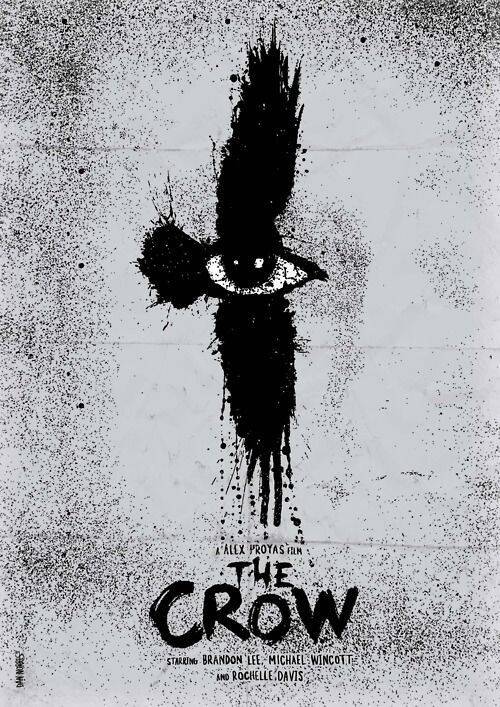
The colour palette: the tyranny of grey and neon
The opening moments introduce a city that lost its soul long ago. Detroit does not function merely as a backdrop; it acts as an active, corrupt participant.
- The visual strategy: Proyas deliberately built a virtually colourless world defined by grey steel, wet asphalt, industrial soot and washed-out blues and greens.
- The psychological effect: Stripping warmth from the daytime scenes forces the audience to feel the chill of the underworld directly. Colour appears strictly when it serves a narrative purpose.
- The stark exceptions: Blood-red stains during violent acts or the hellish orange glow of a burning building cut straight through the frame. They highlight the chaos and pull the viewer's eye into the core of the action.
Design and gothic architecture: a labyrinth of decay
Alex McDowell's production design breathes a heavy, neo-gothic atmosphere. It springs straight from James O'Barr’s original comic book, yet translates into a gritty, tangible reality on screen.
- The setting: Dilapidated apartment complexes with leaking pipes, stone cathedrals and permanent layers of mist create an inescapable trap.
- The symbolism: The physical decay mirrors Eric Draven's inner turmoil. His rise from the grave occurs in a room filled with rain and broken glass; a visual translation of a shattered soul.
- The impact: Every object feels lived-in and real. The city breathes and rots, leaving the viewer trapped on society's lawless margins.

The soundtrack: the sonic heartbeat of revenge
A film with such visual weight demands a soundscape that refuses to fade into the background. The soundtrack forms the actual narrative backbone of the production.
- The musical direction: Instead of a safe orchestral score, the creators recruited the finest early-nineties alternative rock and metal bands, including The Cure, Nine Inch Nails, Rage Against the Machine and Joy Division.
- The function: Tracks like Dead Souls and Burn deepen the alienation. They act as physical forces pushing the viewer deeper into the story, mirroring the protagonist's grief and ruthless drive.
- The result: Image and sound merge completely. The music tells Eric Draven's story just as clearly as the scars on his face.
The enduring foundation
The Crow earned its status through raw craftsmanship rather than marketing gimmicks. By pairing a monochrome aesthetic with oppressive gothic design and a harsh guitar-driven soundtrack, Proyas forged a universe where revenge is a sacred duty. The film pulls you down into the dark abyss and refuses to let go until the final credits roll.