
Why this series transcends crime fiction clichés
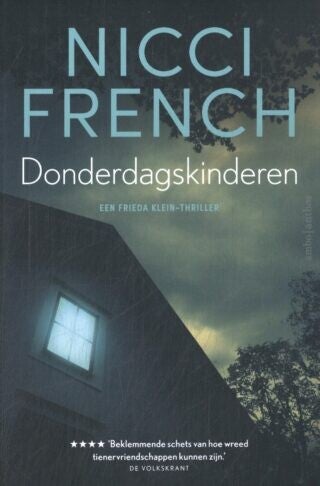
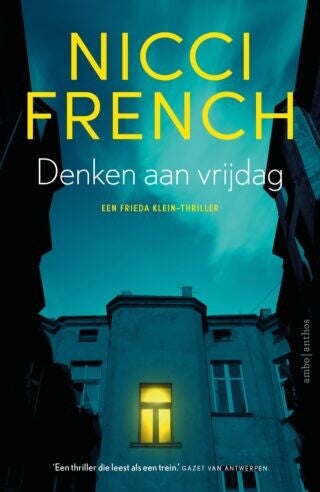
In today's crowded crime fiction market, discerning thriller readers rarely encounter a genuine wow-factor. Formulaic plots and predictable characters dominate the shelves. Although I usually prefer standalone novels for their tight narrative arcs, the eight-part Frieda Klein series by writing duo Nicci French proves a brilliant exception.
What sets these books apart is the complete absence of series fatigue. Where many long-running franchises lose momentum, Nicci French maintain a compelling dynamic throughout. Atmosphere, plot and character development interlock like clockwork, driving towards a nerve-shredding climax where every storyline converges.

This literary and psychological strength relies on three key elements:
- Absorption and emotional intensity: the psychology of the elusive
In Frieda Klein, the authors have created an unforgettable protagonist. Far from a typical extroverted heroine, Frieda is introverted, complex and fiercely independent. She absorbs traumatic events as they come, yet always returns to her unshakeable core. The reader’s emotional investment is heightened by a masterclass in showing rather than telling. Nicci French never explicitly explain Frieda’s inner turmoil; instead, they make it tangible through her actions, her late-night walks through London, her quiet rituals and her laconic interactions. This approach creates profound psychological resonance, inviting readers to actively consider what they would do in her shoes. - Wish fulfilment: the paradox of vulnerability and strength
The characters also serve as a compelling mirror for the reader. In daily life, people frequently abandon their ideals due to fear, societal pressure or a lack of nerve. By contrast, Frieda and her chosen family (such as Josef) display uncompromising bravery in times of crisis. Frieda’s refusal to conform to police bureaucracy or social expectations represents the ultimate form of autonomy. It commands deep admiration, as she acts in ways most people in reality dare not. - Aesthetic harmony: the architecture of micro- and macro-plots
A major stumbling block for multi-volume series is the risk of repetition or unnecessary delay. Nicci French sidestep these pitfalls through flawless structural design. Although organised around the days of the week, leading to a grand finale in the eighth instalment, the series forms a beautifully balanced narrative centred on the enigmatic figure of Dean Reeve. The pace flows effortlessly. Even during quieter intermissions, the tension never flags. Every incidental conversation, every detail on London’s streets, and every trivial action bears weight, directly fueling later plot developments. Nothing is superfluous.
Ultimately, the Frieda Klein series proves that crime fiction can transcend pure entertainment to become a profound psychological study. Through a balance of action, emotional depth, and immaculate structure, the saga remains richly layered and captivating from the first page to the very last.